Sewing Starter Kit: The Essential Tools & Supplies for Beginners
Essential Sewing Tools and Supplies
Now, I know that starting anything new can feel a tad overwhelming, especially when it comes to something like sewing. All those different tools, threads, and fabrics can seem a bit daunting at first. But don’t worry! That’s where I come in. Having the right tools and supplies at your fingertips can make all the difference in the world. It’ll not only make your sewing journey smoother and more enjoyable, but it’ll also set you up for success from the get-go.
In this post, I’ll be your friendly guide to the essential sewing tools and supplies you’ll need to get started. We’ll chat about everything from needles and threads to scissors and seam rippers, and I’ll even give you some tips on building your very own starter sewing kit. Think of it as your personal treasure chest of sewing goodies!
Essential Sewing Tools
Right, let’s get down to the nitty-gritty and talk about the tools of the trade. These are the trusty companions that will help you bring your sewing visions to life. Think of them as the paintbrushes and palette of a sewing artist!
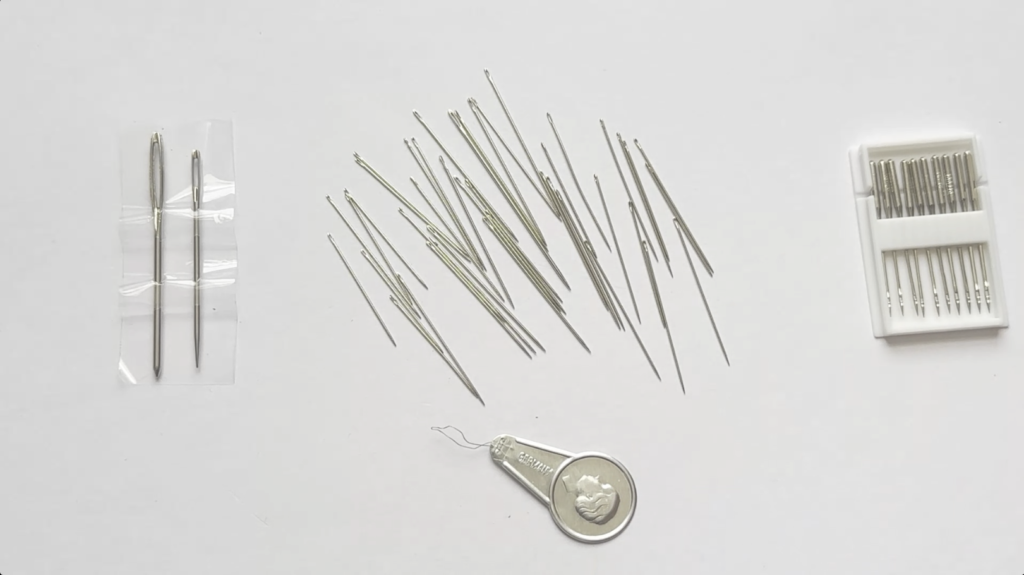
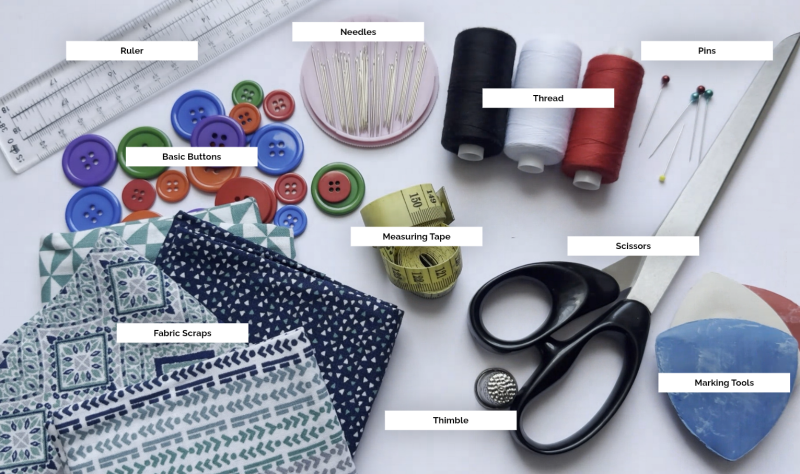
Needles: Now, you can’t sew without needles, can you? They’re the tiny but mighty heroes of the sewing world. You’ll find two main types: hand sewing needles and machine sewing needles. Hand sewing needles come in various sizes, each suited for different fabrics and threads. Machine needles are a whole other kettle of fish, designed specifically for your sewing machine. It’s a good idea to have a selection of both on hand. And don’t forget a needle threader! These little gadgets are lifesavers, especially when you’re working with fiddly threads.
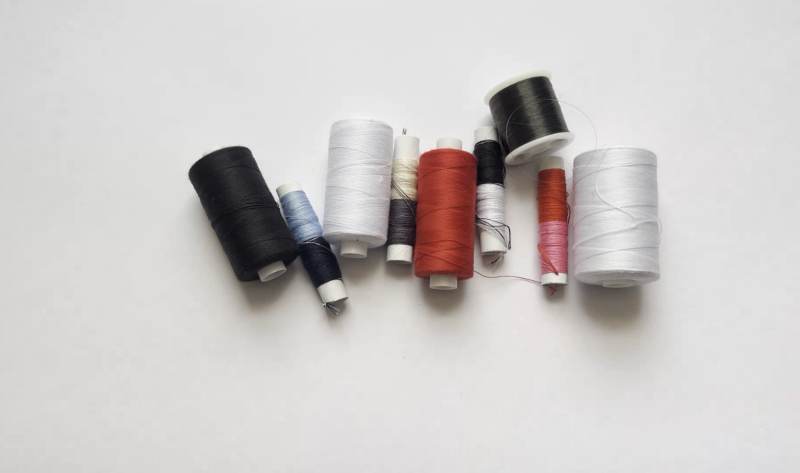
Thread: Thread is the lifeblood of any sewing project. It’s what holds your fabric together and adds those all-important finishing touches. Just like needles, thread comes in a rainbow of colours and different materials. Cotton thread is a classic choice, perfect for everyday projects. Polyester thread is a bit stronger and more durable, making it ideal for heavier fabrics. And then there’s all-purpose thread, which, as the name suggests, is a versatile option for most sewing needs. Choosing the right thread for your project is key, so don’t be afraid to ask for advice at your local haberdashery.
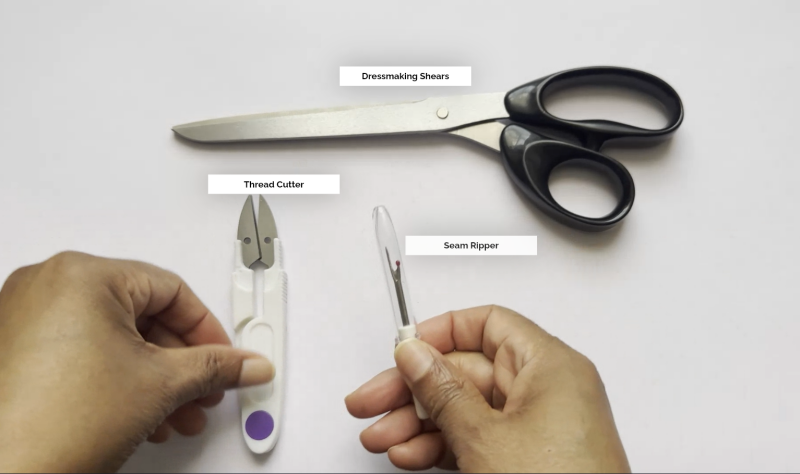
Scissors: A good pair of scissors is an absolute must-have for any sewist. I can’t stress enough how important it is to invest in a decent pair of fabric scissors, also known as dressmaking shears. These are specially designed to cut cleanly through fabric, giving you those crisp, professional edges. You’ll also want a smaller pair of snips for trimming threads and other fiddly bits. And you absolutely must have a seam ripper. This little tool is a lifesaver for those inevitable “oops” moments when you need to unpick a few stitches. Trust me, it’ll become your best friend!
Measuring Tools: Accuracy is everything in sewing, and that’s where measuring tools come in. A good old-fashioned measuring tape is essential for taking body measurements and measuring fabric. A ruler is handy for straight lines and smaller measurements. And a seam gauge is a nifty little tool that helps you create consistent seam allowances.
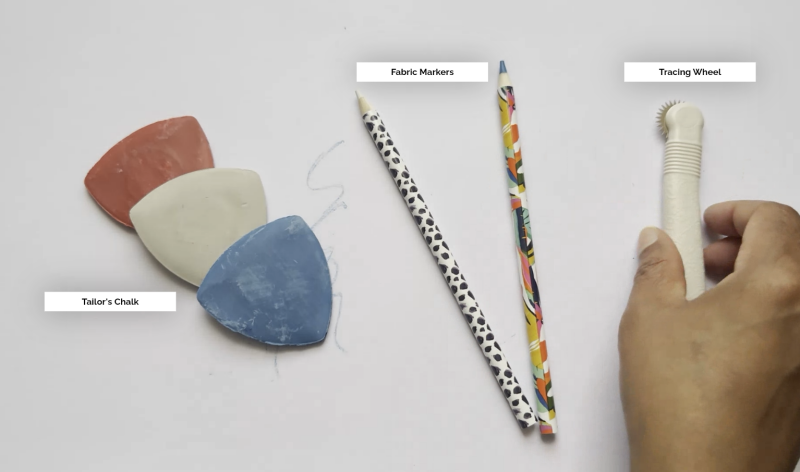
Marking Tools: Before you start cutting and sewing, you’ll need to mark your fabric. This is where marking tools come in. Tailor’s chalk is a classic choice, perfect for marking light-coloured fabrics. Fabric markers are another option, but make sure you choose one that’s designed to wash out easily. Tracing wheels are great for transferring patterns onto fabric.
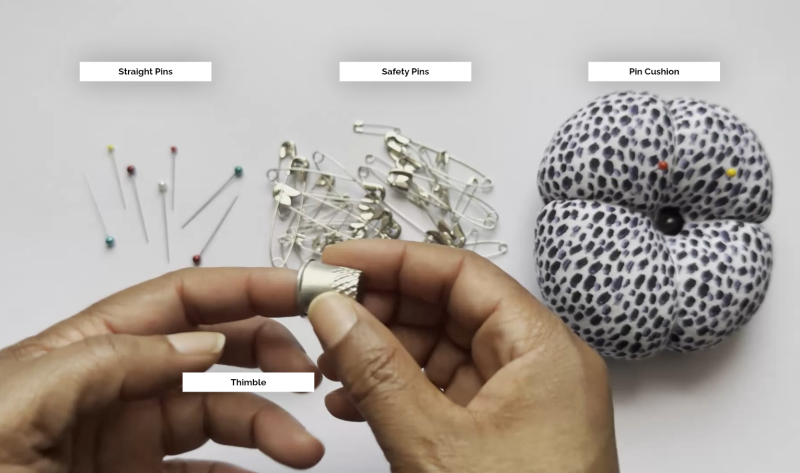
Pins: Pins are like tiny little helpers that hold your fabric in place while you sew. Straight pins are the most common type, and you’ll want to have a good supply on hand. Safety pins are useful for holding things together temporarily. And a pin cushion is a must-have for keeping your pins organised and easily accessible.
Thimble: A thimble might seem a bit old-fashioned, but it’s actually a very useful tool. It protects your finger from getting pricked by the needle, especially when you’re working with thick fabrics.
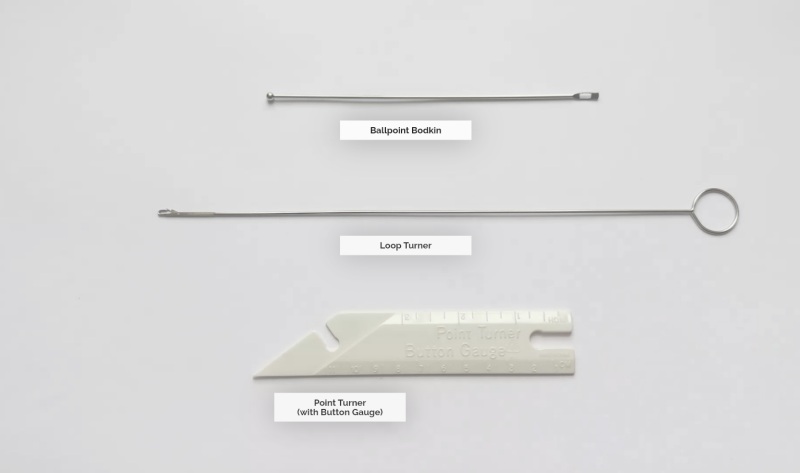
Other Helpful Tools: There are a few other tools that you might find helpful, such as a bodkin (for threading elastic through casings), a loop turner (for turning fabric tubes right-side out), and a point turner (for creating sharp corners).
Essential Sewing Supplies
Now that we’ve covered the essential sewing tools, let’s talk about the essential sewing supplies. These are the materials you’ll be working with, the fabrics, buttons, and other bits and bobs that will bring your creations to life.
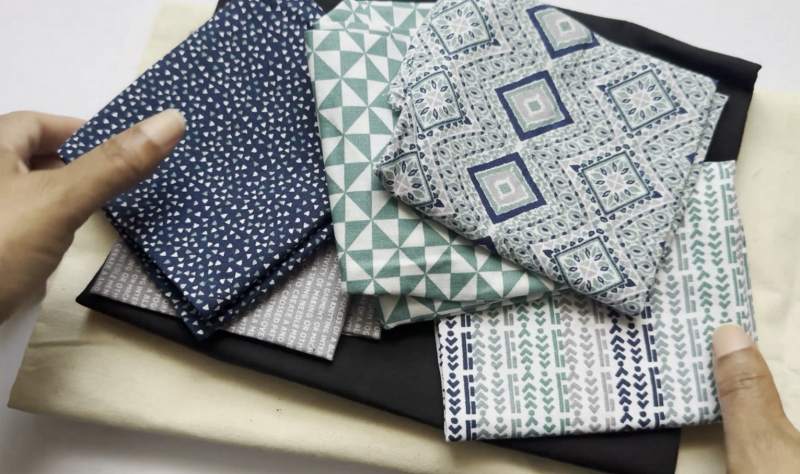
Fabric: Fabric is the foundation of any sewing project. It’s what you’ll be cutting, shaping, and stitching together to create your masterpieces. There’s a whole world of fabrics out there, from cotton and linen to silk and velvet. For beginners, I recommend starting with cotton. It’s easy to work with, readily available, and comes in a wide variety of colours and prints. Linen is another good option, known for its natural look and feel. Felt is also a great choice for beginners, especially for smaller projects. When choosing fabric, consider the project you’re working on and the properties of the fabric. Some fabrics are more suitable for certain projects than others.
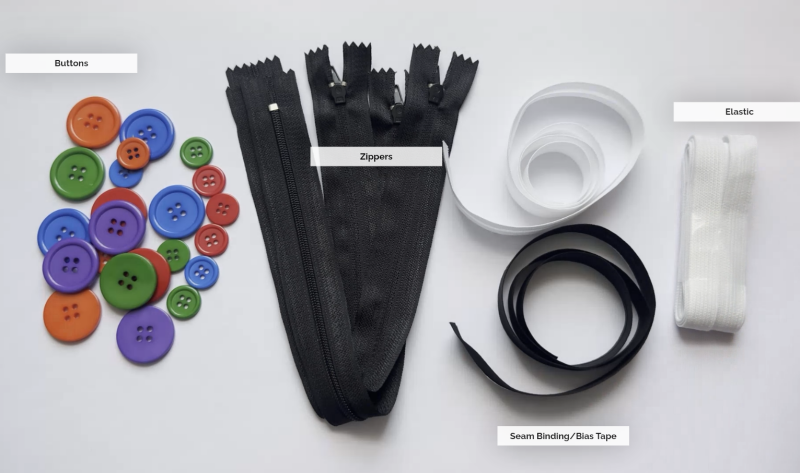
Buttons: Buttons are not only functional but also decorative. They can add a touch of personality to your sewing projects. You’ll find buttons in all shapes, sizes, and materials, from classic plastic buttons to elegant wooden or metal ones. Consider the size and style of the button when choosing it for your project.
Zippers: Zippers are a must-have for many sewing projects, from skirts and trousers to bags and jackets. They come in different lengths and types, so make sure you choose the right one for your project.
Seam Binding/Bias Tape: Seam binding and bias tape are used to finish raw edges and prevent fraying. They can also add a decorative touch to your sewing projects. Bias tape is particularly useful for curved edges.
Elastic: Elastic is essential for creating comfortable and stretchy waistbands, cuffs, and other closures. It comes in different widths and strengths, so choose the one that’s appropriate for your project.
Building Your Beginner’s Sewing Kit
Now that you know about all the essential tools and supplies, it’s time to put together your very own starter sewing kit. This doesn’t have to be a huge, expensive undertaking. Start small and build it up as you go. The key is to have the basics on hand so you can tackle those first projects with confidence.
Here’s a suggested list of items to include in your beginner’s sewing kit:
- Needles: A selection of hand sewing needles and machine sewing needles (if you have a machine).
- Thread: A few spools of all-purpose thread in basic colours (white, black, grey, and maybe a couple of your favourites).
- Scissors: A good pair of fabric scissors (dressmaking shears), small snips, and a seam ripper.
- Measuring Tools: A measuring tape, a ruler, and a seam gauge.
- Marking Tools: Tailor’s chalk or fabric markers.
- Pins: Straight pins and a pin cushion.
- Thimble: If you’re so inclined.
- Fabric: A few scraps of cotton fabric to practice on.
- Buttons: A small selection of basic buttons.
You can find sewing supplies at local haberdasheries, craft shops, and even online retailers. Don’t be afraid to shop around and compare prices. Starting with a small, manageable kit is a great way to avoid feeling overwhelmed. As you gain more experience and tackle more projects, you can always add more tools and supplies to your collection. Think of it as a fun treasure hunt for sewing goodies!
FAQs
Starting anything new often comes with a few questions, and sewing is no different. So, I’ve compiled a list of some frequently asked questions that beginners often have. Hopefully, these will help clear up any confusion and get you sewing smoothly.
What’s the difference between hand sewing needles and machine sewing needles?
Hand sewing needles are designed for sewing by hand, while machine sewing needles are specifically designed for use in a sewing machine. They have different shank types and point styles to work correctly with the machine’s mechanisms. Using the wrong needle can cause damage to your machine or produce poor stitching.
What kind of thread should I use for my first project?
For your first project, I recommend using all-purpose thread. It’s a versatile option that works well with most fabrics. Choose a colour that complements your fabric or a neutral colour like white or grey.
Where can I find affordable sewing supplies?
You can find affordable sewing supplies at local haberdasheries, craft shops, and online retailers. Don’t be afraid to compare prices and look for sales or discounts. Charity shops can also be a surprisingly good source of inexpensive supplies.
How do I take care of my sewing tools?
Taking care of your sewing tools is important for keeping them in good condition. Keep your scissors sharp by having them professionally sharpened when needed. Store your needles and pins in a safe place to prevent them from getting lost or damaged. Clean your measuring tools and marking tools regularly.
What is a seam ripper used for?
A seam ripper is a small tool with a sharp blade and a blunt end. It’s used to unpick stitches. It’s an essential tool for correcting mistakes or making alterations. Trust me, you’ll be glad you have one!
Conclusion
So there you have it! A comprehensive guide to the essential sewing tools and supplies for beginners. I hope this has taken away some of the mystery and made the prospect of starting your sewing journey a little less daunting. Remember, sewing is a skill that takes practice, so don’t be discouraged if you don’t get it perfect right away. The most important thing is to have fun and enjoy the process of creating something unique and beautiful. Every stitch is a step forward, and before you know it, you’ll be whipping up amazing creations!
Ready to dive deeper into the world of sewing? Download my free beginner’s sewing guide e-book now! It’s packed with even more helpful tips, tricks, and project ideas to get you started.